Technique4 min read
The Golden Ratio of Flavor
How balancing salt, acid, and spice guarantees a perfect dish every time — across low, medium, and high flavor profiles.
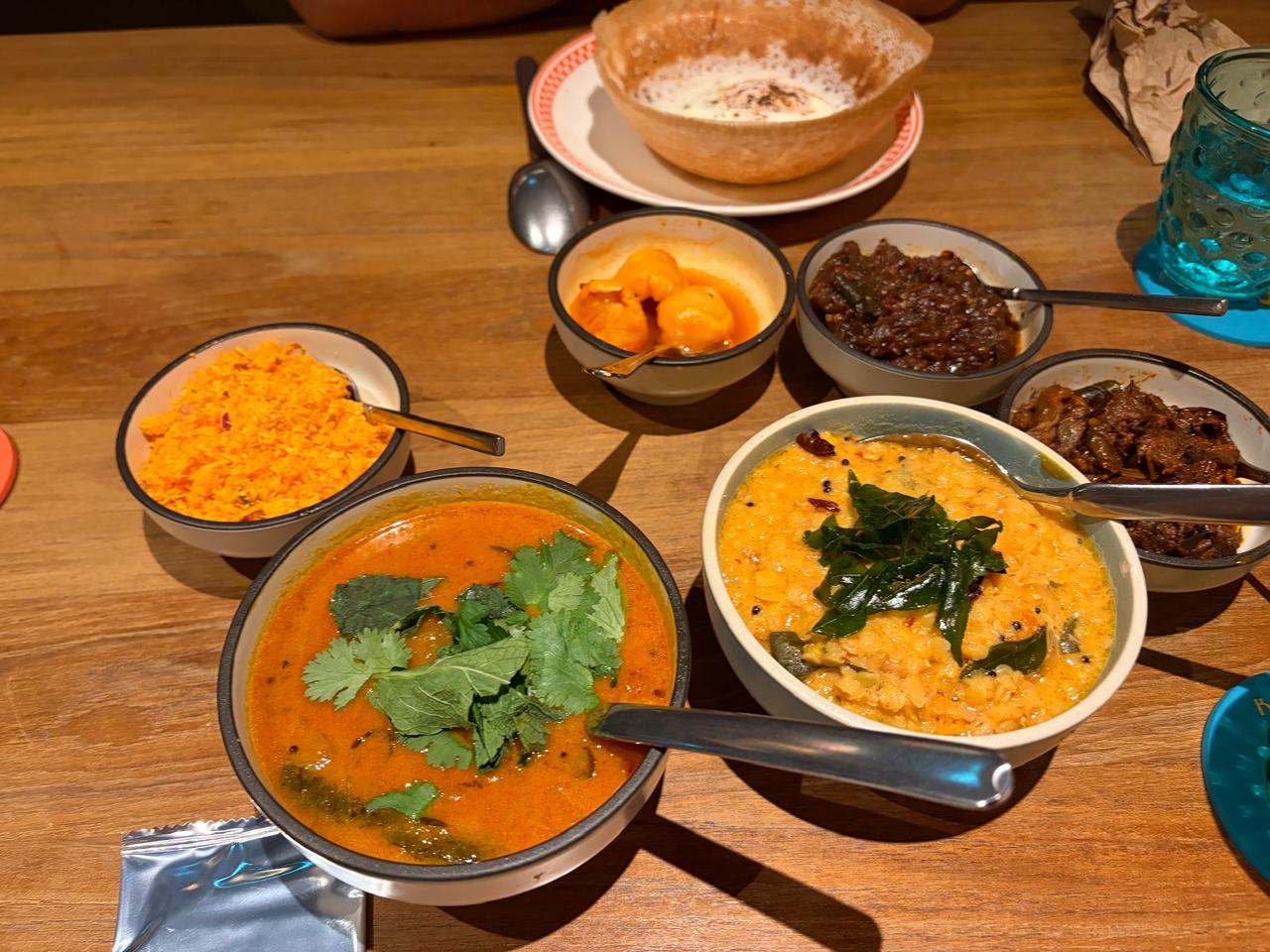
Great cooking is rarely about memorizing hundreds of rigid recipes; it is about understanding how flavors interact on the palate. Whether you are simmering a comforting home-cooked stew or plating a vibrant restaurant-style entrée, the secret to a memorable meal lies in harmony. When salt, acid, and spice are brought together in an even, balanced format, they elevate individual ingredients into a cohesive, mouthwatering experience.
At Food Ink, we believe that mastering this equilibrium is the ultimate kitchen superpower. When you understand how to align these three pillars, you stop guessing and start cooking with intention—creating a dish that hits the exact right notes from the first bite to the last.
Why Consistency is the True Mark of Great Cooking
Anyone can follow a recipe once and get lucky, but true culinary skill is measured by consistency. Achieving the exact same depth, brightness, and warmth every time you step up to the stove is one of the biggest hurdles for both home cooks and commercial kitchens.
Ingredients naturally fluctuate—a batch of tomatoes might be sweeter one week and more tart the next, or a fresh jar of ground cumin might pack twice the punch of an older one. Because raw ingredients are never 100% uniform, relying strictly on exact measurements often leads to flat, overly salty, or overwhelmingly sharp dishes. Consistency of taste does not come from robotic measuring; it comes from tasting as you go and maintaining a steady internal balance among your core flavor drivers.
The Three Pillars of Flavor Equilibrium
To build a dish that feels complete, you have to treat salt, acid, and spice as three legs of a stool. If one leg is noticeably shorter or longer than the others, the entire dish wobbles.
- Salt (The Amplifier): Salt is the foundation of flavor. It suppresses bitterness, enhances natural sweetness, and unlocks the aromas of other ingredients. Without enough salt, a dish tastes hollow; with too much, it masks everything else.
- Acid (The Brightener): Ingredients like lemon juice, vinegar, yogurt, tamarind, or tomatoes cut through richness and fat. Acid wakes up the taste buds, lifting heavy flavors and keeping a dish from feeling dull or one-dimensional.
- Spice (The Soul and Warmth): Whether it is the gentle earthiness of coriander, the warmth of black pepper, or the fiery kick of chilies, spices provide complexity, aroma, and body. They give a dish its distinct personality and lingering finish.
When these three elements are calibrated to match one another's intensity, no single note aggressively dominates. Instead, they weave together so seamlessly that the palate experiences a unified, rounded flavor.
Low, Medium, or High Tone: Scaling Flavor to Your Palate
One of the greatest misconceptions in cooking is that "balanced" means "mild." In reality, flavor equilibrium works across any intensity level—what matters is that all three elements rise and fall together. Think of your dish like a soundboard where salt, acid, and spice are three volume sliders.
| Flavor Tone | Culinary Vibe | How the Equilibrium Works | Best Suited For |
|---|---|---|---|
| Low Tone | Subtle, delicate, and soothing | Gentle seasoning, a whisper of citrus or mild vinegar, and soft aromatic spices. | Poached fish, light broths, delicate vegetable risottos, and comfort foods. |
| Medium Tone | Everyday richness and classic comfort | Moderate saltiness, noticeable tanginess, and a well-rounded, warm spice profile. | Roasted meats, classic curries, pasta sauces, and hearty grain bowls. |
| High Tone | Bold, vibrant, and punchy | Assertive salinity, bright sharp acidity, and unapologetic heat or aromatic spice. | Street food, marinades, spicy stir-fries, pickles, and bold barbecue. |
If you want a low-tone meal, you keep salt, acid, and spice equally soft so they support delicate ingredients without burying them. If your palate craves a high-tone punch, you turn all three dials up simultaneously. Trouble only happens when the sliders are uneven—such as cranking the spice to high while leaving acid on low, which results in a heavy, muddled burn rather than a vibrant kick.
Flavour equilibrium
- Salt
- Acid
- Spice
View as table
| Tone | Salt | Acid | Spice |
|---|---|---|---|
| Low tone | 2.6 | 2.8 | 2.7 |
| Medium tone | 5.4 | 5.7 | 5.5 |
| High tone | 8.3 | 8.7 | 8.5 |
How to Calibrate and Fix Your Dish in Real Time
Training your palate to spot an imbalance is the fastest way to guarantee consistent results in the kitchen. Before taking your pan off the heat, take a spoonful and ask yourself what is missing:
- If the dish tastes flat or dull: It needs salt or acid. Add a pinch of salt first to wake up the base flavors. If it is already salty enough but still feels heavy, add a squeeze of citrus or a splash of vinegar to brighten the finish.
- If the dish tastes too sharp or sour: You have pushed the acid slider too high. Bring the equilibrium back by adding a touch more salt and a hint of warming spice (or a tiny pinch of sugar/fat) to round out the sharp edges.
- If the dish feels overly spicy or bitter: Your spice level is outpacing the rest of the dish. Counteract the excess heat by introducing acid (like lime juice or yogurt) alongside a pinch of salt to pull the focus back toward the center of the palate.
- If the dish tastes too salty: You cannot remove salt, so you must expand the other pillars to match it. Add acid to cut the salinity, increase aromatic spices or bulk ingredients to absorb the intensity, and bring the whole dish up to a slightly higher tone.
Mastering the Art of the Even Plate
Cooking with consistent excellence stops being a mystery the moment you focus on relationships rather than isolated ingredients. By keeping salt, acid, and spice aligned in an even format, you give yourself complete creative freedom in the kitchen. Whether you are dialing things down for a quiet, subtle dinner or turning the volume all the way up for a bold feast, honoring this equilibrium ensures that every dish leaving your kitchen is balanced, memorable, and undeniably delicious.
Written by Chef Siddharth